Understanding the server optimization
May 21, 2021
How to recover a lost website with hack recovery service
June 7, 2021
What is a website migration? A website migration (or website migration service) is the procedure of making many, usually substantial internal or even external feature changes to a website which will impact its search engine ranking and online visibility. That includes big changes like domain, web content, layout and design, user experience and interface. It also includes changes that make the website user-friendly such as removing all forms that require complex calculations and programming. Many businesses and companies do website migrations either because they are moving to a new hosting platform or are updating their existing platform to include new features that they didn’t have available when they launched the website. Although some of these services can be very useful for smaller projects and less complex ones, businesses should not attempt to undertake a website migration if it is going to result in a drastic change in the website’s architecture or functionality.
How to identify a website migration that is effective:
The first thing that users will notice about your website when they access it for the first time are the design and layout changes. You will need to take care to ensure that you include any changes that improve the user experience and make navigation easier. Even if you do not have extensive training in website development, you should still be able to get a good idea of how a typical site migration will work through visual guides. These guides should give you a clear idea of what the major website migration steps are and how they will impact your rankings and user experience.

Before you start any website migration, make sure that you understand all the risks involved. Find out what all the changes mean and whether you need to consult any third parties before you proceed. You might need to contact the person who created the site structure in the first place and find out whether there are any changes that need to be made to the site structure. You should also contact any other website developers to find out whether you will be able to migrate your site structure as part of the website migration checklist.
Your ranking is highly dependent on the traffic that you receive. If you have a large number of conversions but a low conversion rate, then you will suffer from negative rankings, which could lead to the cancellation of your account by search engines. Any changes that have been made to the website will have an effect on the rankings. You can then use the website migration checklists to identify those elements that have been affected by changes and make the necessary adjustments.

Redirects One of the most important aspects of a site migration is the redirect. If you have changed the content or layout of your old site, and your new site has a completely different layout or content, then you need to make sure that the old site redirects to the new site. This is extremely important because the old site will suffer from negative SEO results, whereas the new site will benefit from the positive SEO results of the redirect. You should always consider the effect of the redirect on your rank and therefore the redirect check list should be completed to ensure that any potential negative effects are removed.
Duplication The main reason for any migration is to remove duplicate content between the two sites. If the duplicate content has been added in the ‘about us’ section of the old website, then you must include this content in the new website to avoid any negative impact on your ranking. If the duplicate content is not in the ‘about us’ section, then you may consider moving this content to the footer of the website to avoid duplicate content penalties. Again, the content in the footer will be highly important as this contains important meta tags and therefore the rankings will suffer if the duplicate content is not removed.

Post Launch Checklist The successful web migration requires everyone involved to work together in order to make the migration as smooth as possible. A successful web migration requires careful planning by all parties involved. It also requires careful planning in the days immediately following the launch. The post-launch checklist consists of many things; ensuring that the new site will be found quickly when people search for the legacy website, checking competitor lists to identify any gaps that may exist before the launch date, and finalizing the payment methodology for all affiliates to ensure that all parties are happy and able to continue making sales.
Many of these tasks can be completed by yourself, and with the help of the right software tools, this process becomes far less complex. However, it is still important for every company to perform website migrations as website downtime can have severe financial consequences, especially if it is a massive migration. This is why you should always consider page load testing and other in-house processes before you proceed with any major website migrations. The right page monitoring tools will help you to conduct quality page load testing. When looking for the right page monitoring tool, you should look for one that will also perform the important SEO tasks such as duplicate domain check, competitor analysis, and directory submission.
Why We Need Website Migration
Why do we do website migration? The most important reason to migrate a website is when the site structure becomes cluttered and does not fit the business purpose. When changing a site from one URL to another, we have two options – either to reinstall the entire site structure and modify page codes or create a new site structure with simplified URL. If the site contains static HTML pages that are no longer being used, we can perform a simple site migration.
On the other hand, when a business grows, it needs more space for additional data and an increase in database size. If the site contains dynamically created pages, then we have no other option but to upgrade the site database. When performing a database migration, we have two options – reinstalling the entire site or importing the content from an earlier version of the site. This process might slow down the site during initial start-up, but will minimize any loss of information during the migration.
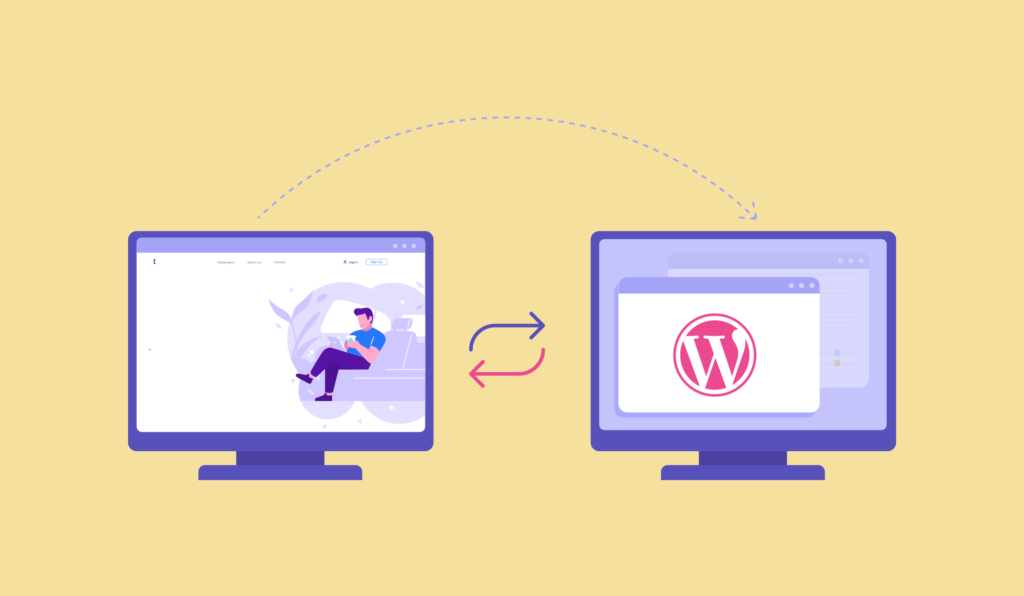
Before migrating websites, we must decide whether to import all the content from a previous version or just some specific pages. We can create a basic site structure by using a migration script that will migrate all static pages of the site to a new ‘static’ folder. This will free up a considerable amount of disk space as all data will be stored in the same location. There are also some website builders that allows us to select an entire directory or just a few files from the site structure to be imported into the new site.
When we perform a website migration, the migrated site structure is extracted and all the pages and files are copied to the target location. Then we have to set-up the target database. We can use a third-party application or package such as MS Access, SQL, or Oracle to manage the database. We have to keep in mind the primary key that is used to access the database so that changes to the primary keys won’t break the functionality of the website.
After the database has been established, we can update the website content by using a migration tool such as XHTML or PHP/Flash. We can use the same application or script to update the code that migrates the contents of the website from the old database. The resulting code will then be embedded into the new site. The inserted code is written to the target database.
Migrations can be performed for both new and old websites. For websites which are already live, we can insert the code as soon as possible and start working on the site. On live sites, we can run the migrate-tester which will generate test pages as well as migration files. The results will let us see whether we succeeded in the migration. The reason why we do website migration is to achieve migration smoothness, and to optimize the performance of the site.
How Do I Migrate My Website
How do I migrate my website? It’s a common question among many webmasters who are planning to upgrade or create an entirely new website. If you’re considering going this route, be prepared for some challenges. This process can be long and time consuming, but the payoff can be huge when you consider the many advantages of this option.

Migrating a site is not as easy as ABC, but it can be done. The first thing that you need to consider is what type of content will you be changing. If you’re not planning on changing much, such as adding new pictures or changing the same information, then this is achievable with basic FTP. For more substantial changes, such as changing entire sections of your site, you will need to use a script. This is a bit more complex, but can be done using one of the many free script hosting services on the Internet.
Next, you should consider what you want your site to look like. Will it be simplified or more detailed? Are you looking to have a blog or a static page, or both? How does the visitor to interact with your site? Do they need to be prompted before they can proceed? Do they have unlimited access?
Once you decide how you want your site to look, you can start thinking about how do I migrate my website? The next step is to make a list of all of your web pages. Write down the name of each page, their content and any other specifics so that you can remember how to proceed. You will want to save this list somewhere where you will recall it later.
Next, review your list and decide which specific pages you want to migrate. If you don’t know how to do a certain task, it is usually best to hire someone else to do it for you. However, you can still do a lot of it yourself if you really want to. Start by checking all of the pages you saved on the list. If you don’t recognize them, open up a new tab in Internet Explorer and navigate to the section where you saved your site. This may require a little effort, but will save you a lot of time and frustration when you have to restart your system.
Another important question is how do I migrate my website? If you can’t open it in Internet Explorer, you need to download a web browser. There are a number of excellent free browsers available. Firefox, Safari, and Google Chrome are popular free browsers. Once you have downloaded the browser of your choice, you need to install it on your computer.
You will probably also want to install a content manager for your site. This will allow you to easily modify your website’s code so that it matches your site’s theme. You will probably also want to set up a database for your site. Migrating your site to a database is not as difficult as you may think. Most CMS like WordPress use MySQL, which is very easy to modify and keep track of.
Migrating your site to a new web host, is just the first step in how do I migrate my website? Remember to carefully read any documentation provided with your web host. Make sure that your hosting company will allow you to update your site without difficulty. Finally, choose a web design firm that can assist you in migrating your site.
Now that you’ve gotten your hosting service and database set up, you’re ready to start creating the content of your website. To do this, you can either use a basic word editor or use a site builder. Using a word editor, you will be able to create your website’s header, footer, and sidebar. If you’re unsure about how to do a certain feature on your site, you can always hire a professional web designer to help you out.
To add content to your website, you will want to upload your files to your website’s web directory. The web directory will allow your website to have a central location where all of your files are stored. After you have uploaded your files, you will need to visit your site’s front page. There, you will simply click “Add file.” This process will show you the exact path and name of the file that you uploaded. It will also give you the options to choose where you want your file to be uploaded to.
When you’re done with the steps above, you will be able to see an online migration report. Here, you will be able to see all of your changes. You should see what your exact changes look like. In addition, you should be able to see the difference between the version that you imported as opposed to the version that is shown in your current website. You can use our free support service for faster website migration of your website
Overall, you will find that this process is relatively simple and straightforward. Once you learn how do I migrate my website?, you will certainly want to know how you can do it yourself.